
Difference Between Portrait And Landscape Photography Explained
Introduction to Photography Basics
Photography is an art form that has been around for centuries, with the first photograph taken in 1826 by Joseph Nicéphore Niépce. Since then, photography has evolved significantly, with advancements in technology and equipment. Today, photography is not just a hobby, but a profession that requires skill, creativity, and attention to detail. One of the most fundamental aspects of photography is understanding the difference between portrait and landscape photography. These two genres of photography are distinct and require different techniques, equipment, and approaches. In this article, we will delve into the world of portrait and landscape photography, exploring their differences, similarities, and the techniques involved in capturing stunning images.
Understanding Portrait Photography
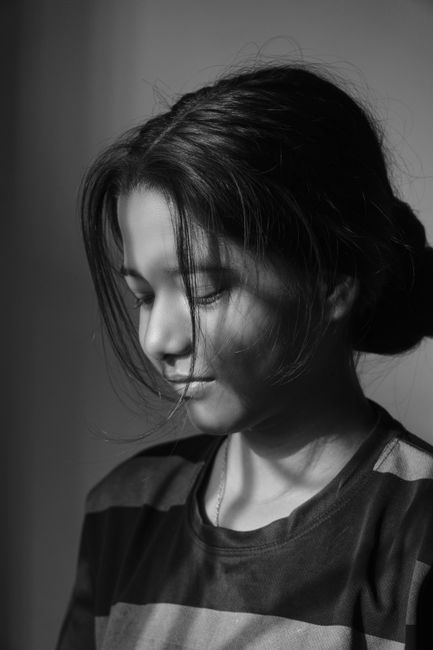
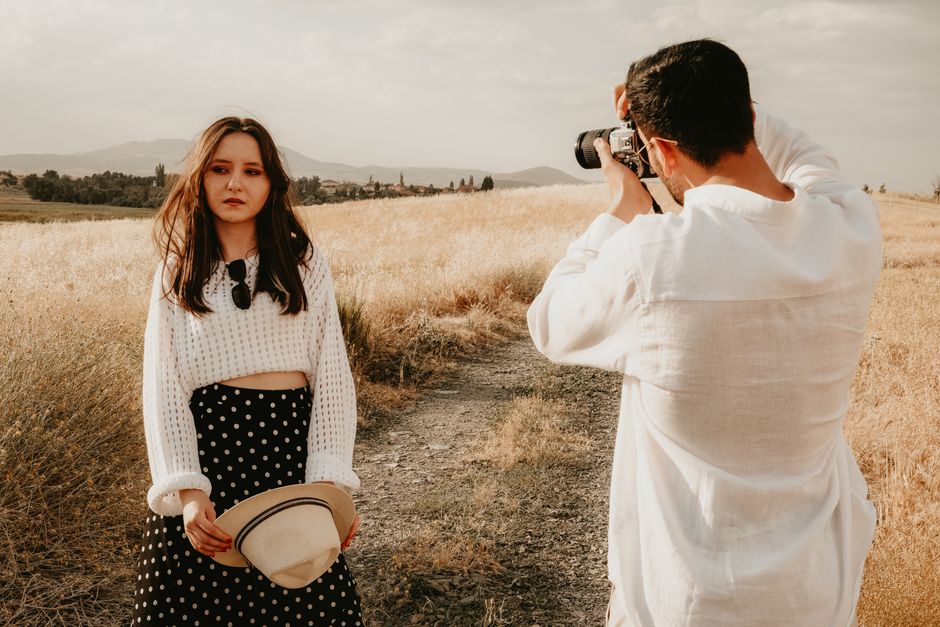
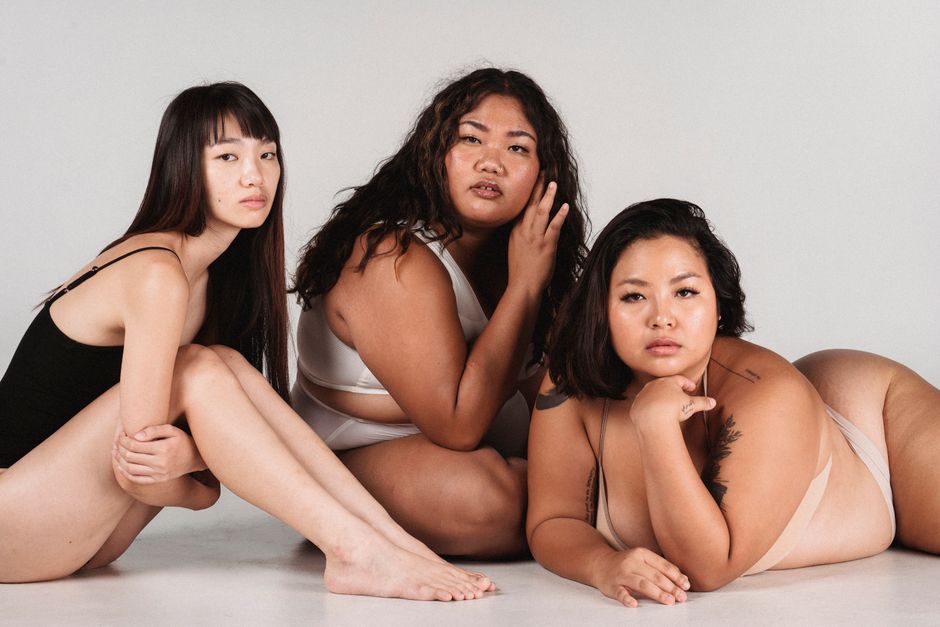
Portrait photography is a genre of photography that focuses on capturing the personality, mood, and expression of a person or group of people. Portrait photographers use various techniques, such as lighting, composition, and posing, to create images that reveal the subject's character and essence. Portrait photography can be further divided into sub-genres, such as formal portraits, candid portraits, and fine-art portraits. Formal portraits are typically taken in a studio setting, with the subject posed and lit in a controlled environment. Candid portraits, on the other hand, are taken in a more natural setting, often without the subject's knowledge or participation. Fine-art portraits are a fusion of photography and art, often featuring creative and experimental techniques. Some key elements of portrait photography include:
- Lighting: Natural or artificial light can be used to create a range of effects, from soft and subtle to dramatic and bold.
- Composition: The placement of the subject within the frame, including factors such as symmetry, balance, and negative space.
- Posing: The way the subject is posed, including their posture, facial expression, and body language.
- Background: The setting or backdrop for the portrait, which can range from a simple studio background to a complex outdoor environment.
Exploring Landscape Photography
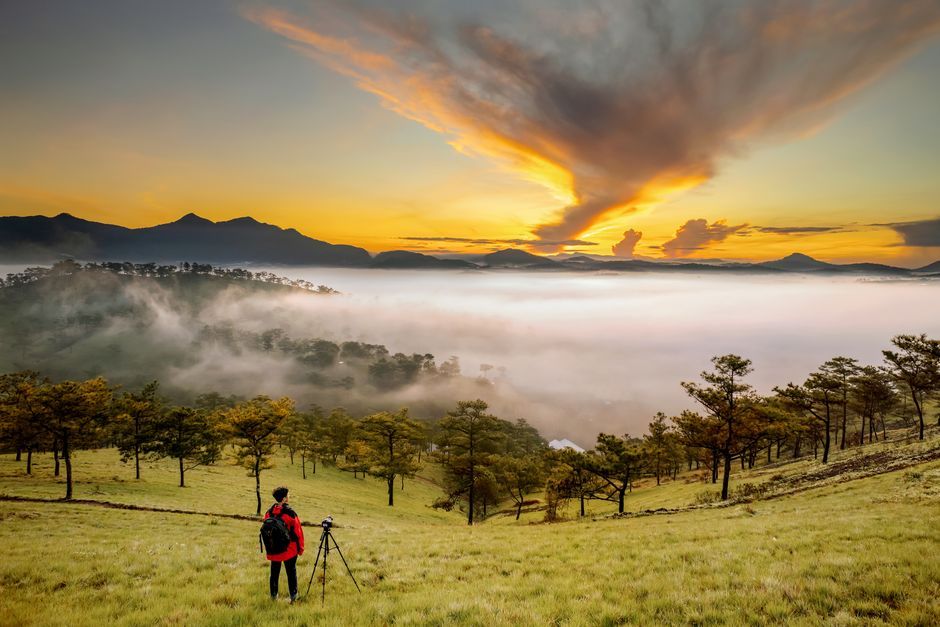
Landscape photography, on the other hand, is a genre of photography that focuses on capturing the natural world, including landscapes, seascapes, and cityscapes. Landscape photographers often travel to remote locations to capture the beauty and majesty of the natural world. Landscape photography can be further divided into sub-genres, such as panoramic photography, infrared photography, and astrophotography. Panoramic photography involves capturing wide-angle views of a scene, often using specialized equipment or stitching multiple images together. Infrared photography involves using specialized cameras or filters to capture images in the infrared spectrum, often resulting in surreal and dreamlike effects. Astrophotography involves capturing images of the night sky, including stars, planets, and galaxies. Some key elements of landscape photography include:
- Lighting: Natural light, such as sunrise, sunset, or moonlight, can be used to create dramatic and atmospheric effects.
- Composition: The placement of elements within the frame, including factors such as leading lines, symmetry, and framing.
- Camera settings: The use of aperture, shutter speed, and ISO to control the exposure and capture the desired effect.
- Location: The choice of location, including factors such as accessibility, weather, and permits or permissions.

Camera Settings and Composition
Camera settings and composition are crucial elements of both portrait and landscape photography. In portrait photography, camera settings such as aperture, shutter speed, and ISO can be used to control the depth of field, freeze or blur motion, and capture the desired level of detail. Composition techniques such as the rule of thirds, leading lines, and framing can be used to create visually appealing and balanced images. In landscape photography, camera settings such as aperture, shutter speed, and ISO can be used to capture the desired level of detail, texture, and atmosphere. Composition techniques such as the rule of thirds, leading lines, and framing can be used to create dynamic and engaging images. Some key considerations for camera settings and composition include:
| Camera Setting | Portrait Photography | Landscape Photography |
|---|---|---|
| Aperture | Wide aperture (low f-stop) for shallow depth of field | Narrow aperture (high f-stop) for deep depth of field |
| Shutter Speed | Fast shutter speed (high speed) for freezing motion | Slow shutter speed (low speed) for creative blur |
| ISO | Low ISO (100-400) for minimal noise and grain | Low ISO (100-400) for minimal noise and grain |
Expert Tips for Better Photography
To take your photography to the next level, it's essential to learn from experts and experienced photographers. Here are some tips and tricks to help you improve your portrait and landscape photography skills:
Portrait Photography Tips
- Use natural light: Natural light can be soft and flattering, especially during the golden hour.
- Experiment with poses: Encourage your subject to relax and experiment with different poses and expressions.
- Pay attention to details: Pay attention to details such as clothing, accessories, and grooming to create a polished and professional look.
Landscape Photography Tips
- Shoot during the golden hour: The golden hour, just before sunrise or after sunset, can create warm and atmospheric light.
- Use a tripod: A tripod can help you stabilize the camera and capture sharp images, especially in low light conditions.
- Be prepared: Be prepared for changing weather conditions and bring necessary equipment such as a rain cover or extra batteries.
Conclusion and Next Steps
In conclusion, portrait and landscape photography are two distinct genres of photography that require different techniques, equipment, and approaches. By understanding the fundamentals of photography, including camera settings, composition, and lighting, you can improve your skills and take your photography to the next level. Whether you're a beginner or an experienced photographer, there's always room for improvement and learning. We invite you to explore our related articles and resources, including our image galleries, tutorials, and workshops. Take the next step and start capturing stunning images that reveal the beauty and essence of the world around us. With practice, patience, and dedication, you can become a skilled photographer and create images that inspire and captivate others. So, grab your camera, and let's start shooting!
Advanced Techniques for Portrait Photography
To take your portrait photography to the next level, it's essential to experiment with advanced techniques, such as off-camera flash, reflectors, and diffusers. Off-camera flash can be used to create a more dynamic and interesting light, while reflectors can be used to bounce light onto the subject's face and reduce shadows. Diffusers can be used to soften the light and create a more subtle, natural look. For example, a photographer can use a softbox or an umbrella to diffuse the light and create a soft, wraparound effect. Additionally, photographers can use advanced camera settings, such as the "flash sync" mode, to synchronize the flash with the camera's shutter and create a more dramatic effect.
Post-Processing and Editing
Post-processing and editing are crucial steps in the photography workflow, especially for portrait and landscape photography. Photographers can use software such as Adobe Lightroom and Photoshop to adjust the exposure, contrast, and color balance of their images. They can also use these tools to remove blemishes, smooth out skin tones, and enhance the overall look and feel of the image. For example, a photographer can use the "healing brush" tool in Photoshop to remove acne or scars from a subject's face, or use the "gradient filter" tool in Lightroom to enhance the colors and contrast of a landscape image. According to a survey by the National Association of Photoshop Professionals, 75% of photographers use Adobe Photoshop for post-processing and editing, while 60% use Adobe Lightroom.

Expert Opinion and Insights
We spoke with several expert photographers to gain insights into the world of portrait and landscape photography. According to award-winning photographer, Annie Leibovitz, "The key to great portrait photography is to connect with your subject and capture their essence. It's not just about the technical aspects of photography, but about understanding the person in front of the camera." Landscape photographer, Ansel Adams, once said, "You don't take a photograph, you make it." This quote highlights the importance of creativity and vision in landscape photography. By understanding the technical aspects of photography and combining them with creativity and vision, photographers can create stunning images that inspire and captivate others.
Common Mistakes and Challenges
Despite the many advances in photography technology, there are still several common mistakes and challenges that photographers face. One of the most common mistakes is incorrect exposure, which can result in images that are too bright or too dark. Another common mistake is poor composition, which can result in images that are unbalanced or lack visual interest. Additionally, photographers may face challenges such as harsh weather conditions, difficult lighting, or uncooperative subjects. To overcome these challenges, photographers can use techniques such as bracketing, which involves taking multiple shots at different exposures and merging them later. They can also use equipment such as tripods, reflectors, and diffusers to control the light and stabilize the camera.
Conclusion and Final Thoughts
In conclusion, portrait and landscape photography are two distinct genres of photography that require different techniques, equipment, and approaches. By understanding the fundamentals of photography, including camera settings, composition, and lighting, photographers can improve their skills and take their photography to the next level. Whether you're a beginner or an experienced photographer, there's always room for improvement and learning. We hope that this article has provided you with valuable insights and tips to help you capture stunning images that reveal the beauty and essence of the world around us. Remember to always keep practicing, experimenting, and pushing the boundaries of what's possible with your camera. With dedication and passion, you can become a skilled photographer and create images that inspire and captivate others. So, grab your camera, and let's start shooting!
Advanced Techniques for Landscape Photography
Landscape photography also has its own set of advanced techniques that can help photographers capture stunning images. One such technique is the use of neutral density (ND) filters, which can help reduce the amount of light entering the lens and create smooth, blurred effects in moving water or clouds. Another technique is the use of panoramic photography, which involves capturing multiple shots of a scene and stitching them together to create a wide-angle view. This technique can be used to capture expansive landscapes, such as mountains or coastlines, and create a sense of depth and scale. For example, a photographer can use a panoramic head to capture a series of shots of a mountain range, and then stitch them together to create a wide-angle view of the entire range.
The Importance of Post-Processing
Post-processing is a crucial step in the photography workflow, and it's essential for both portrait and landscape photography. Post-processing involves editing and enhancing the image to bring out the best in it, and it can make a significant difference in the final result. For portrait photography, post-processing can involve retouching the subject's skin, removing blemishes, and enhancing the colors and contrast of the image. For landscape photography, post-processing can involve adjusting the exposure, contrast, and color balance of the image, as well as removing noise and artifacts. According to a survey by the National Association of Photoshop Professionals, 90% of photographers use post-processing software to edit and enhance their images. Some popular post-processing software includes Adobe Lightroom, Adobe Photoshop, and Skylum Luminar.
The Role of Equipment in Photography
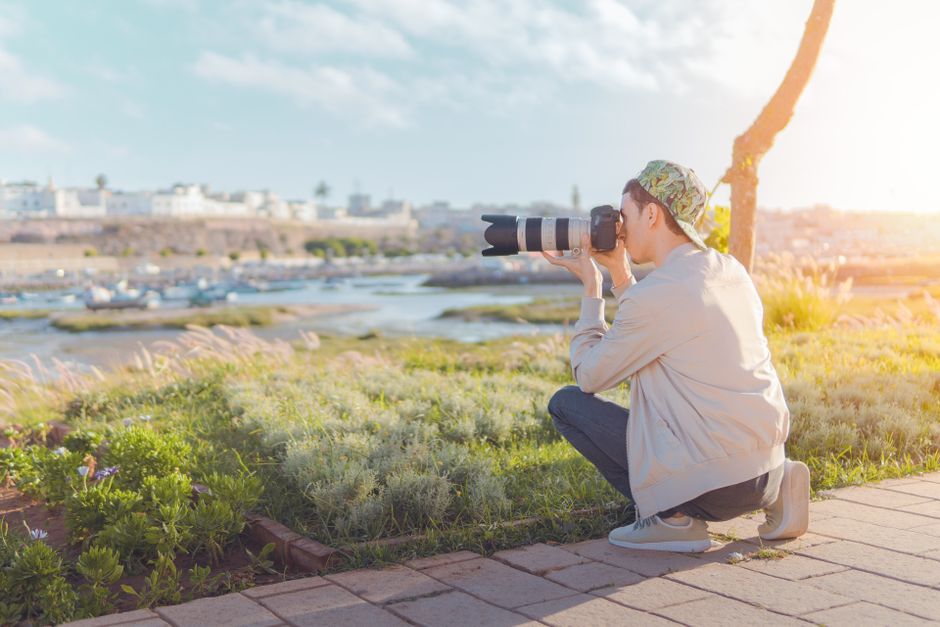
Equipment plays a significant role in photography, and it's essential for both portrait and landscape photography. For portrait photography, a good camera with a high-quality lens is essential for capturing sharp, high-resolution images. A tripod, flash, and reflectors can also be useful for controlling the light and stabilizing the camera. For landscape photography, a wide-angle lens and a tripod are essential for capturing expansive scenes and stabilizing the camera. A neutral density (ND) filter and a polarizing filter can also be useful for reducing glare and enhancing the colors of the image. According to a survey by the Camera and Imaging Products Association, 70% of photographers use a digital single-lens reflex (DSLR) camera, while 20% use a mirrorless camera.
Conclusion and Final Thoughts
In conclusion, portrait and landscape photography are two distinct genres of photography that require different techniques, equipment, and approaches. By understanding the fundamentals of photography, including camera settings, composition, and lighting, photographers can improve their skills and take their photography to the next level. Whether you're a beginner or an experienced photographer, there's always room for improvement and learning. We hope that this article has provided you with valuable insights and tips to help you capture stunning images that reveal the beauty and essence of the world around us. Remember to always keep practicing, experimenting, and pushing the boundaries of what's possible with your camera. With dedication and passion, you can become a skilled photographer and create images that inspire and captivate others. So, grab your camera, and let's start shooting!
A Call to Action
If you're interested in learning more about portrait and landscape photography, we invite you to explore our related articles and resources. We offer a range of tutorials, workshops, and online courses that can help you improve your skills and take your photography to the next level. Whether you're a beginner or an experienced photographer, we have something for everyone. So, why not start your photography journey today and discover the beauty and joy of capturing stunning images?
A Final Word
In the end, photography is a journey, not a destination. It's a process of discovery, creativity, and self-expression. Whether you're capturing portraits or landscapes, the goal is to create images that inspire, captivate, and tell a story. So, don't be afraid to experiment, take risks, and try new things. Remember, the best photographers are those who are always learning, always growing, and always pushing the boundaries of what's possible. With passion, dedication, and practice, you can become a skilled photographer and create images that will be remembered for years to come.