
Compose A Photo For Stunning Results
Introduction to Photography Composition
Photography composition is the backbone of taking stunning photos. It's the process of arranging visual elements within a frame to convey a message, tell a story, or evoke emotions. When done correctly, composition can make an ordinary photo extraordinary. However, it's not just about pointing a camera and clicking the shutter; it's an art form that requires patience, practice, and dedication. In this article, we'll delve into the world of photography composition, exploring the basics, advanced techniques, and expert tips to help you take your photography skills to the next level. Whether you're a seasoned photographer or just starting out, understanding the principles of composition will elevate your photos and make them truly unforgettable.
Understanding the Basics of Photography Composition
Before we dive into the nitty-gritty of composition, it's essential to understand the basic principles. These include the rule of thirds, leading lines, framing, symmetry, and balance. The rule of thirds, for example, involves dividing the frame into thirds both horizontally and vertically, placing important elements along these lines or at their intersections. Leading lines, on the other hand, refer to using lines within the scene to lead the viewer's eye to the subject. Framing involves using natural or man-made features to create a frame within the frame, while symmetry and balance are about creating a sense of order and stability. Here are some key composition principles to keep in mind:
- Rule of thirds: Divide the frame into thirds to create balanced compositions
- Leading lines: Use lines to lead the viewer's eye to the subject
- Framing: Use natural or man-made features to create a frame within the frame
- Symmetry: Use symmetry to create a sense of order and stability
- Balance: Balance elements within the frame to create a sense of harmony
Advanced Composition Techniques for Stunning Photos
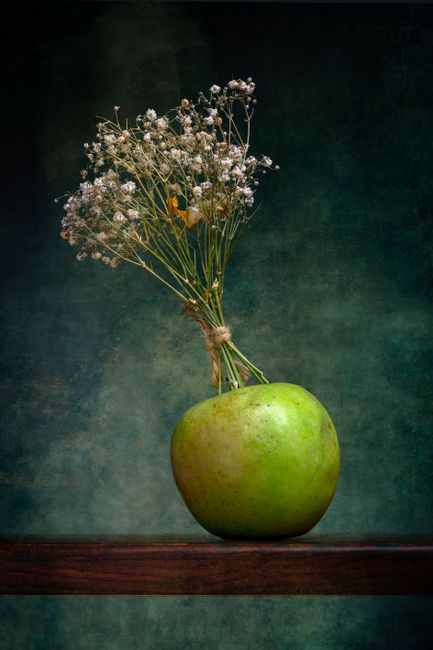
Once you've mastered the basics, it's time to experiment with advanced composition techniques. One of the most effective techniques is using negative space, which involves using empty space to create a sense of simplicity and minimalism. Another technique is using layers, which involves using multiple layers of depth to create a sense of dimensionality. You can also use texture, pattern, and color to add depth and interest to your photos. Here are some advanced composition techniques to try:
- Use negative space to create a sense of simplicity and minimalism
- Use layers to create a sense of dimensionality
- Use texture, pattern, and color to add depth and interest
- Experiment with abstract compositions to create unique and creative photos
- Use reflections and shadows to add depth and interest
The Role of Lighting in Photography Composition
Lighting is a crucial element in photography composition, and it can make or break a photo. Natural light, artificial light, and mixed light all have their own unique characteristics and challenges. Natural light, for example, is often soft and warm, while artificial light can be harsh and cool. Mixed light, on the other hand, combines natural and artificial light to create a unique and interesting effect. When working with light, it's essential to consider the time of day, the weather, and the location. Here are some tips for working with light:
- Shoot during the golden hour for warm and soft light
- Use artificial light to create a sense of drama and contrast
- Experiment with mixed light to create a unique and interesting effect
- Pay attention to the weather and adjust your composition accordingly
- Use lighting to create a sense of mood and atmosphere
Expert Tips for Composing the Perfect Photo
Composing the perfect photo requires a combination of technical skills, creative vision, and attention to detail. Here are some expert tips to help you take your photography to the next level:
Pay Attention to Details
Pay attention to the small details that can make or break a photo. This includes things like clutter, distractions, and unnecessary elements. By paying attention to these details, you can create a cleaner, more focused composition that draws the viewer's eye to the subject.
Experiment and Take Risks
Don't be afraid to experiment and take risks with your composition. Try new things, take chances, and push the boundaries of what's possible. This is where some of the most interesting and creative photos come from.
Practice, Practice, Practice
Finally, practice is key to improving your composition skills. The more you practice, the more comfortable you'll become with the technical aspects of photography, and the more you'll be able to focus on the creative aspects of composition.
Conclusion and Final Thoughts on Photography Composition
In conclusion, photography composition is a complex and multifaceted topic that requires patience, practice, and dedication. By understanding the basics, experimenting with advanced techniques, and paying attention to details, you can take your photography to the next level and create stunning photos that capture the viewer's eye. Remember to always keep learning, experimenting, and pushing the boundaries of what's possible. With time and practice, you'll develop your own unique style and vision, and your photos will become truly unforgettable. So, go out there and start composing your own stunning photos – the world is waiting to see what you have to offer!
Developing Your Personal Style
As you continue to practice and experiment with photography composition, you'll begin to develop your own personal style. This is a unique blend of technical skills, creative vision, and attention to detail that sets your photos apart from others. Developing your personal style takes time and practice, but it's essential for creating photos that truly reflect your artistic vision. One way to develop your personal style is to study the work of other photographers and analyze what makes their photos unique. Look at the composition, lighting, and subject matter, and think about how you can incorporate these elements into your own photos. You can also experiment with different genres, such as landscape, portrait, or street photography, to find what works best for you.
Using Storytelling in Your Photos
Another key element of photography composition is storytelling. This involves using your photos to tell a story or convey a message, rather than simply capturing a moment in time. Storytelling can be achieved through the use of composition, lighting, and subject matter, as well as through the use of captions or other contextual information. For example, a photo of a empty chair on a beach might tell a story of loneliness or abandonment, while a photo of a crowded city street might tell a story of energy and activity. By using storytelling in your photos, you can create a deeper connection with your viewers and convey a more nuanced and complex message.
Expert Tips for Composing the Perfect Photo
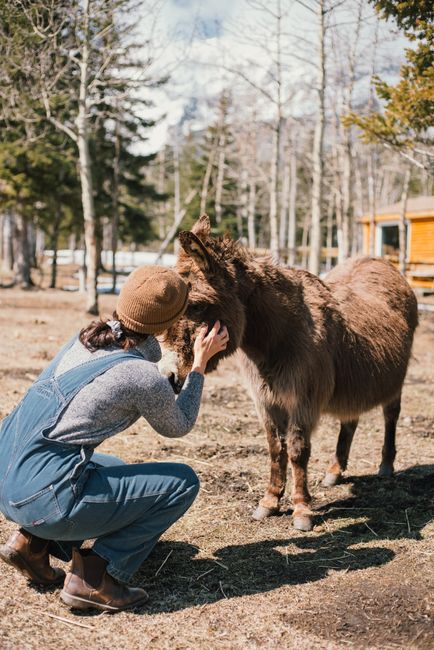
In addition to developing your personal style and using storytelling in your photos, there are several other expert tips that can help you compose the perfect photo. One of these is to pay attention to the background of your photo. A cluttered or distracting background can ruin an otherwise great photo, while a simple and clean background can help to focus the viewer's attention on the subject. Another tip is to use the rule of thirds, which involves dividing the frame into thirds both horizontally and vertically and placing important elements along these lines or at their intersections. This can help to create a more balanced and visually appealing composition.
Using Color and Texture in Your Photos
Color and texture are two other key elements of photography composition. Color can be used to add emotion and mood to a photo, while texture can be used to add depth and interest. For example, a photo of a colorful market scene might use bright colors to create a sense of energy and excitement, while a photo of a rugged landscape might use texture to create a sense of ruggedness and wilderness. By using color and texture in your photos, you can create a more nuanced and complex visual language that engages the viewer and conveys a deeper message.

Conclusion and Final Thoughts on Photography Composition
In conclusion, photography composition is a complex and multifaceted topic that requires patience, practice, and dedication. By developing your personal style, using storytelling in your photos, and paying attention to the background, color, and texture, you can create photos that truly capture the viewer's eye and convey a deeper message. Remember to always keep learning, experimenting, and pushing the boundaries of what's possible, and don't be afraid to take risks and try new things. With time and practice, you'll develop the skills and vision necessary to compose stunning photos that reflect your unique artistic vision. So, go out there and start composing your own stunning photos – the world is waiting to see what you have to offer!

As you continue on your photography journey, remember that composition is just one aspect of the craft. Other important elements include lighting, subject matter, and technical skills, such as aperture, shutter speed, and ISO. By mastering these elements and combining them with a deep understanding of composition, you'll be well on your way to creating photos that truly stand out from the crowd. So, keep practicing, keep learning, and most importantly, keep having fun. The world of photography is full of endless possibilities, and with the right skills and vision, you can capture them all.
Mastering the Art of Photography Composition
To truly master the art of photography composition, it's essential to understand the importance of practice and experimentation. The more you practice, the more comfortable you'll become with the technical aspects of photography, and the more you'll be able to focus on the creative aspects of composition. Experimentation is also key, as it allows you to try new things, take risks, and push the boundaries of what's possible. For example, you might experiment with different genres, such as landscape, portrait, or street photography, to find what works best for you. You might also experiment with different techniques, such as using a wide-angle lens or a telephoto lens, to create unique and interesting effects.

The Importance of Post-Processing in Photography Composition
In addition to mastering the art of photography composition, it's also essential to understand the importance of post-processing. Post-processing involves editing and enhancing your photos after they've been taken, and it can make a huge difference in the final result. For example, you might use software such as Adobe Lightroom or Photoshop to adjust the exposure, contrast, and color balance of your photos. You might also use these programs to remove distractions, such as clutter or blemishes, and to add texture or other effects. By mastering the art of post-processing, you can take your photos to the next level and create truly stunning images.

The Psychology of Photography Composition
The psychology of photography composition is a fascinating topic that involves understanding how our brains process visual information. For example, research has shown that our brains are wired to respond to certain types of visual stimuli, such as symmetry, patterns, and contrast. By understanding these psychological principles, you can create photos that are more engaging, more memorable, and more effective at conveying your message. For example, you might use symmetry to create a sense of balance and harmony, or you might use contrast to create a sense of drama and tension.

The Role of Emotion in Photography Composition
Emotion plays a huge role in photography composition, as it allows you to connect with your viewers on a deeper level. By evoking emotions such as joy, sadness, or wonder, you can create photos that are more engaging, more memorable, and more effective at conveying your message. For example, you might use a warm and cozy color palette to create a sense of comfort and relaxation, or you might use a cool and muted color palette to create a sense of calmness and serenity. You might also use composition techniques such as leading lines, framing, or symmetry to create a sense of drama or tension.
Conclusion and Final Thoughts on Photography Composition
In conclusion, photography composition is a complex and multifaceted topic that requires patience, practice, and dedication. By mastering the art of photography composition, understanding the importance of post-processing, and using psychological principles to create engaging and memorable photos, you can take your photography to the next level and create truly stunning images. Remember to always keep learning, experimenting, and pushing the boundaries of what's possible, and don't be afraid to take risks and try new things. With time and practice, you'll develop the skills and vision necessary to compose stunning photos that reflect your unique artistic vision. So, go out there and start composing your own stunning photos – the world is waiting to see what you have to offer!

As you continue on your photography journey, remember that composition is just one aspect of the craft. Other important elements include lighting, subject matter, and technical skills, such as aperture, shutter speed, and ISO. By mastering these elements and combining them with a deep understanding of composition, you'll be well on your way to creating photos that truly stand out from the crowd. So, keep practicing, keep learning, and most importantly, keep having fun. The world of photography is full of endless possibilities, and with the right skills and vision, you can capture them all.
In the end, photography composition is a journey, not a destination. It's a process of learning, growing, and experimenting, and it's a process that requires patience, dedication, and practice. By following the tips and techniques outlined in this article, you'll be well on your way to creating stunning photos that reflect your unique artistic vision. So, don't be afraid to take the first step, and don't be afraid to keep walking. The world of photography is waiting for you, and it's full of endless possibilities and opportunities.