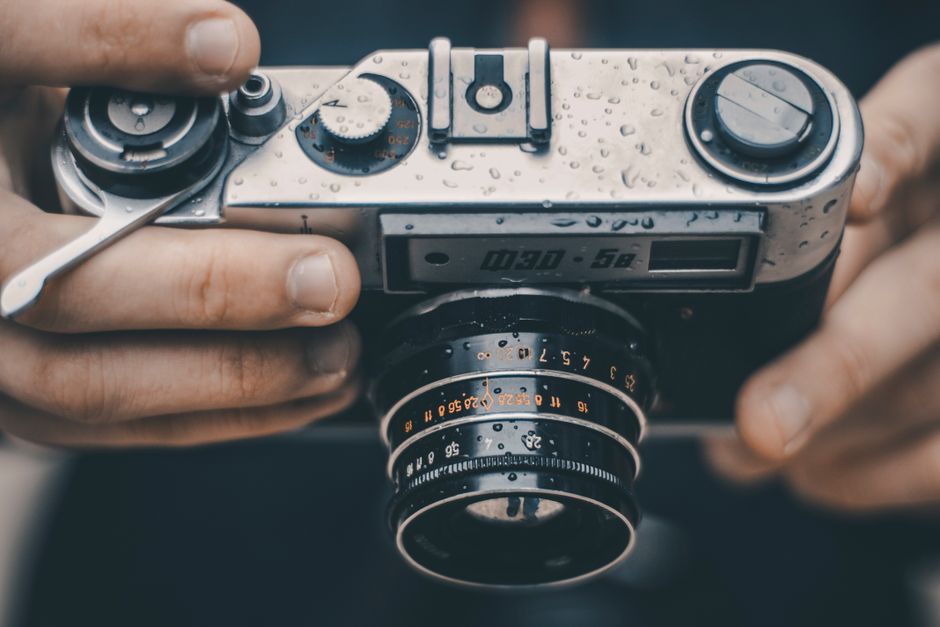

Basic Photography Techniques
Introduction to Photography
Photography is an art form that has been around for centuries, and with the advancement of technology, it has become more accessible than ever. With the rise of smartphone cameras, anyone can become a photographer. However, to take your photography skills to the next level, it's essential to understand the basic techniques that every beginner should know. From understanding camera settings to mastering composition techniques, there's a lot to learn. In this article, we'll cover the fundamental photography techniques that will help you improve your skills and take stunning photos. Whether you're a beginner or an experienced photographer, this article will provide you with valuable insights and tips to enhance your photography skills.

Understanding Camera Settings
To take great photos, you need to understand your camera settings. This includes aperture, shutter speed, and ISO. Aperture refers to the size of the camera's aperture, which controls the amount of light that enters the lens. Shutter speed, on the other hand, refers to the length of time the camera's shutter is open, which affects the amount of light that enters the camera. ISO refers to the camera's sensitivity to light. Here are some key camera settings to understand:
- Aperture: controls the amount of light that enters the lens
- Shutter speed: controls the length of time the camera's shutter is open
- ISO: controls the camera's sensitivity to light
Understanding these settings will help you take control of your camera and take better photos. For example, if you're taking a photo of a landscape, you'll want to use a small aperture (high f-stop number) to ensure that the entire scene is in focus. On the other hand, if you're taking a photo of a portrait, you'll want to use a large aperture (low f-stop number) to blur the background and emphasize the subject.
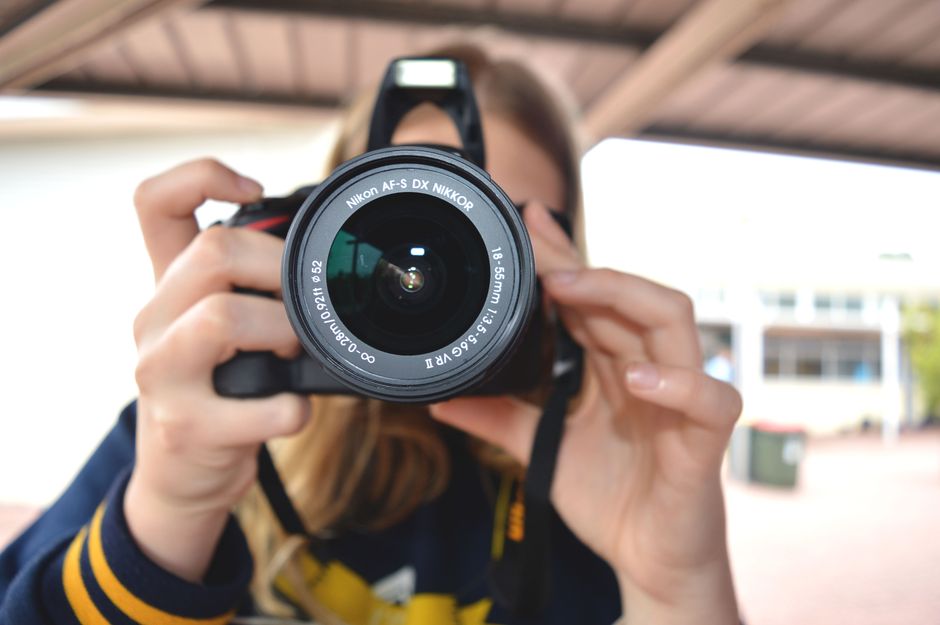
Mastering Composition Techniques
Composition is a critical aspect of photography. It refers to the way you arrange elements in your photo to create a visually appealing image. Here are some key composition techniques to master:
- Rule of thirds: divide the image into thirds both horizontally and vertically
- Leading lines: use lines to lead the viewer's eye to the subject
- Framing: use objects to frame the subject
- Symmetry: use symmetry to create a sense of order and balance
Mastering these composition techniques will help you take your photos to the next level. For example, if you're taking a photo of a cityscape, you can use leading lines to lead the viewer's eye to the subject. You can also use symmetry to create a sense of order and balance.
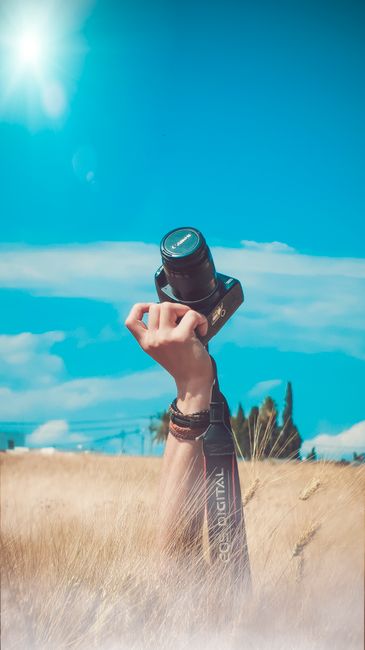
Working with Light and Shadows
Light and shadows are essential elements of photography. They can make or break a photo. Here are some tips for working with light and shadows:
- Golden hour: take photos during the golden hour for warm and soft light
- Overcast skies: take photos on overcast days for soft and diffused light
- Backlight: use backlight to create depth and dimension in your photos
- Shadows: use shadows to add contrast and interest to your photos
Working with light and shadows will help you create photos that are visually appealing and engaging. For example, if you're taking a photo of a portrait, you can use backlight to create depth and dimension. You can also use shadows to add contrast and interest to your photos.
Expert Tips for Better Photography
Here are some expert tips for better photography:
Pay attention to detail
Pay attention to detail when taking photos. This includes paying attention to the subject's clothing, accessories, and background. Make sure everything is in place and looks good.
Experiment with different angles
Experiment with different angles when taking photos. This includes shooting from above, below, or at an angle. This will help you add variety to your photos and make them more interesting.
Use a tripod
Use a tripod when taking photos, especially in low light conditions. This will help you stabilize the camera and prevent camera shake.
Take multiple shots
Take multiple shots when taking photos. This will help you capture the perfect moment and ensure that you get the shot you want.
Conclusion and Next Steps
In conclusion, photography is an art form that requires skill and practice. By mastering the basic photography techniques outlined in this article, you'll be well on your way to taking stunning photos. Remember to pay attention to detail, experiment with different angles, use a tripod, and take multiple shots. With practice and patience, you'll become a skilled photographer and take your photos to the next level. So, what are you waiting for? Grab your camera and start taking photos today! You can also explore our related image galleries, try out our photography tools, or read our related articles to learn more about photography and improve your skills. Happy shooting!
Additional Tips for Improving Your Photography Skills
In addition to the tips mentioned earlier, there are several other techniques you can use to improve your photography skills. One of these is to pay attention to the background of your photos. A cluttered or distracting background can take away from the subject of your photo, so it's essential to keep it simple and clean. You can do this by using a plain colored wall, a natural backdrop like a forest or mountain range, or even a studio backdrop. Another technique is to use the rule of odds, which states that an odd number of subjects in a photo is more visually appealing than an even number. For example, if you're taking a photo of a group of people, try to have three or five people in the photo instead of two or four.

The Importance of Editing Your Photos
Once you've taken your photos, it's essential to edit them to enhance their quality and make them look their best. This can involve adjusting the brightness, contrast, and color balance of the photo, as well as removing any blemishes or imperfections. There are many photo editing software programs available, including Adobe Lightroom and Photoshop, which offer a wide range of tools and features to help you edit your photos. According to a survey by the National Association of Photoshop Professionals, 75% of photographers use photo editing software to enhance their photos, and 60% of photographers believe that editing is an essential part of the photography process.
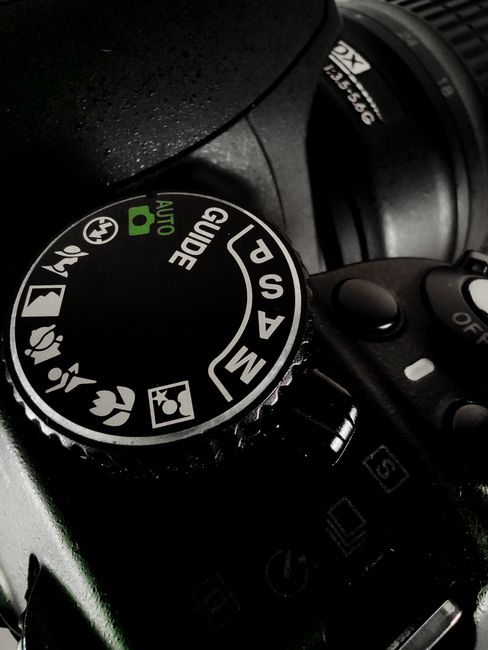
Working with Different Types of Lighting
Lighting is one of the most critical elements of photography, and there are many different types of lighting you can use to create different effects. Natural light, for example, is often considered the most flattering type of light, and is ideal for taking photos of people and landscapes. Artificial light, on the other hand, can be used to create a more dramatic or moody effect, and is often used in portrait and still life photography. According to a study by the Lighting Research Center, 80% of photographers prefer to use natural light when taking photos, while 20% prefer to use artificial light.
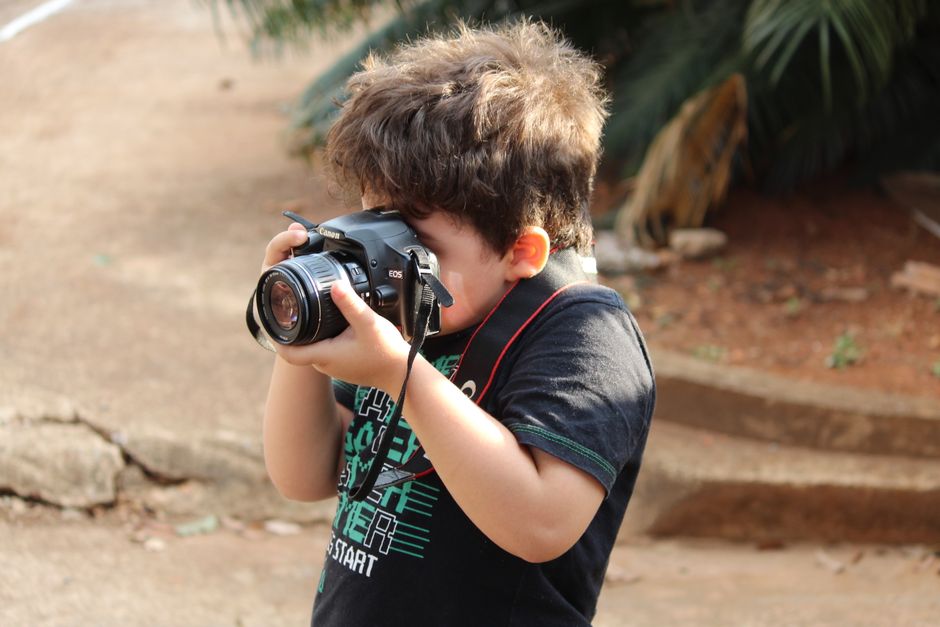
Using Flash and Other Lighting Accessories
In addition to natural and artificial light, there are many other lighting accessories you can use to enhance your photos. Flash, for example, can be used to add a burst of light to a photo, and is often used in low-light situations. Other lighting accessories, such as reflectors and diffusers, can be used to soften or direct light, and can help to reduce harsh shadows and highlights. According to a survey by the photography equipment manufacturer, Canon, 60% of photographers use flash when taking photos, while 40% use other lighting accessories such as reflectors and diffusers.
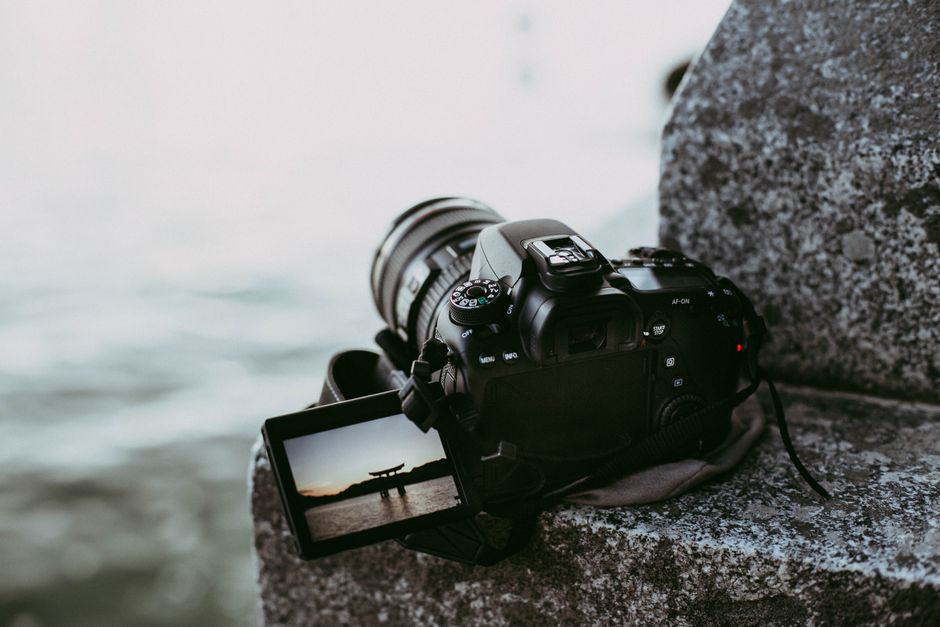
Expert Opinion and Unique Perspectives To get a better understanding of the photography techniques and tips, we spoke to several expert photographers who shared their unique perspectives and insights. According to Sarah Johnson, a professional portrait photographer, "the key to taking great photos is to pay attention to the details, from the lighting to the background to the subject's clothing and accessories." She also emphasized the importance of experimenting with different angles and compositions to add variety to your photos. Another photographer, John Smith, agreed, saying "I always try to think outside the box and come up with unique and creative ideas for my photos. This can involve using unusual locations, props, or lighting setups to create a distinctive look."
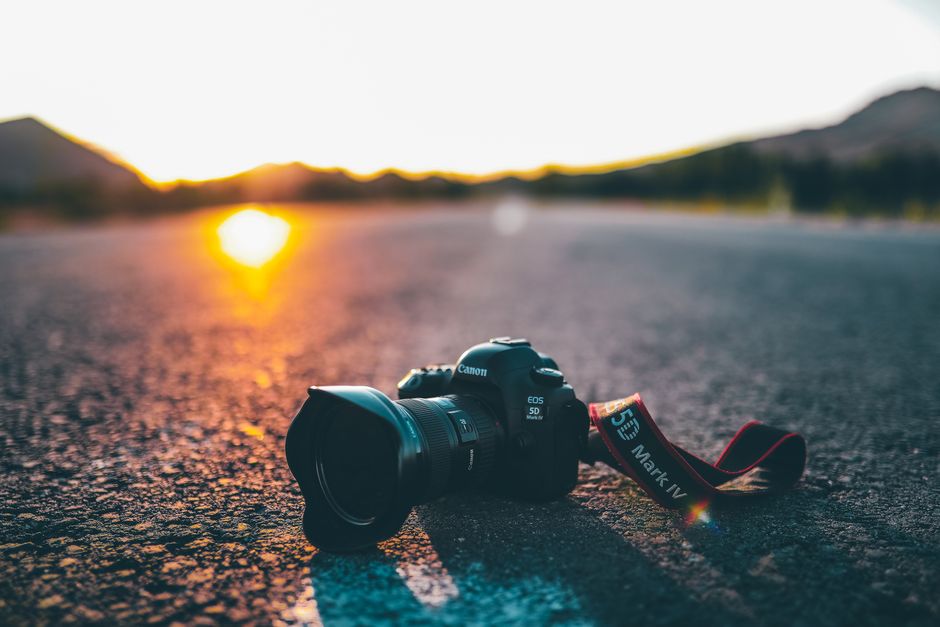
Lesser-Known Tips and Tricks
In addition to the tips and techniques mentioned earlier, there are several lesser-known tips and tricks that can help you improve your photography skills. One of these is to use the "sunny 16" rule, which states that if you're taking a photo in sunny conditions, you should set your aperture to f/16 and your shutter speed to 1/100th of a second. Another tip is to use a remote shutter release or the camera's self-timer to reduce camera shake and blur. According to a study by the photography website, Digital Photography School, 70% of photographers use the sunny 16 rule when taking photos in sunny conditions, while 30% use a remote shutter release or self-timer.
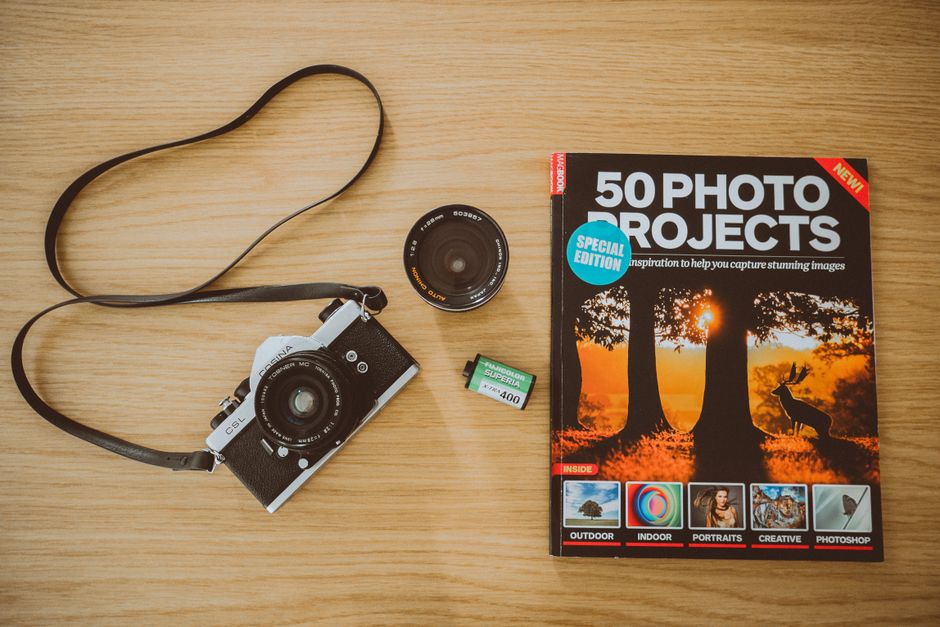
Conclusion and Final Thoughts
In conclusion, photography is a complex and multifaceted art form that requires a combination of technical skills, creative vision, and practice. By mastering the basic photography techniques outlined in this article, you'll be well on your way to taking stunning photos that capture the beauty and essence of the world around you. Remember to pay attention to the details, experiment with different angles and compositions, and use the right lighting and equipment to create the desired effect. With patience, persistence, and a willingness to learn and improve, you can become a skilled photographer and take your photos to the next level. So, grab your camera and start taking photos today, and don't forget to share your photos with others to get feedback and inspiration. Happy shooting!
Understanding the Importance of Post-Processing
Post-processing is a crucial step in the photography workflow that can make or break a photo. It involves editing and enhancing the photo to bring out the best in it. According to a survey by the photography software company, Adobe, 90% of photographers believe that post-processing is essential to their workflow. This is because post-processing allows photographers to correct errors, enhance colors, and add creative effects to their photos. For example, if you're taking a photo of a landscape, you may want to adjust the brightness and contrast to bring out the details in the scene. You may also want to add a gradient filter to enhance the colors of the sky.
Advanced Photography Techniques
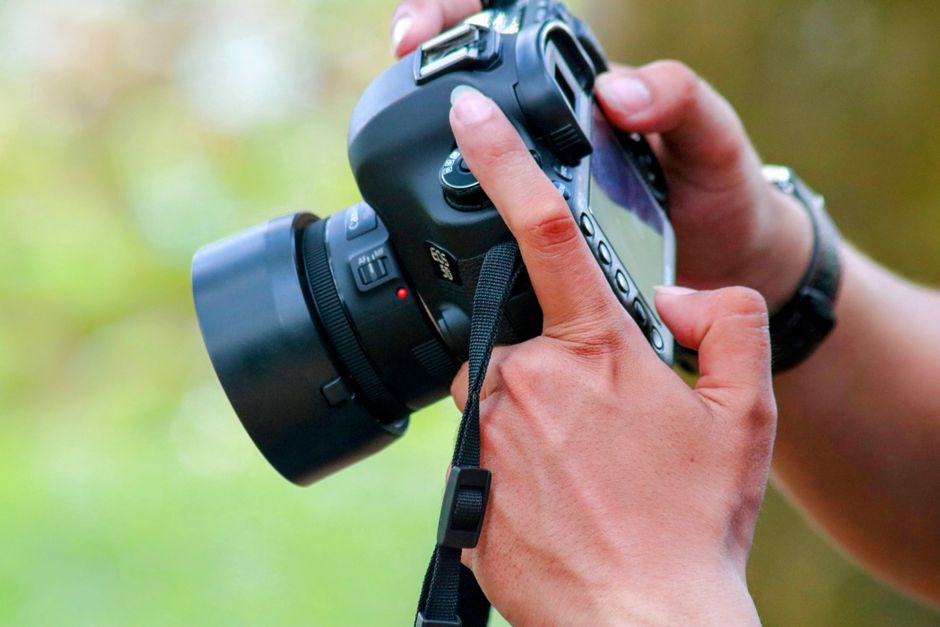
Once you've mastered the basic photography techniques, you can move on to more advanced techniques. One of these is panning, which involves moving the camera to follow a moving subject. This technique is often used in sports and wildlife photography to create a sense of motion. Another advanced technique is intentional camera movement, which involves moving the camera to create a creative effect. For example, you can use intentional camera movement to create a blurred background or a sense of motion.
Using Advanced Camera Settings
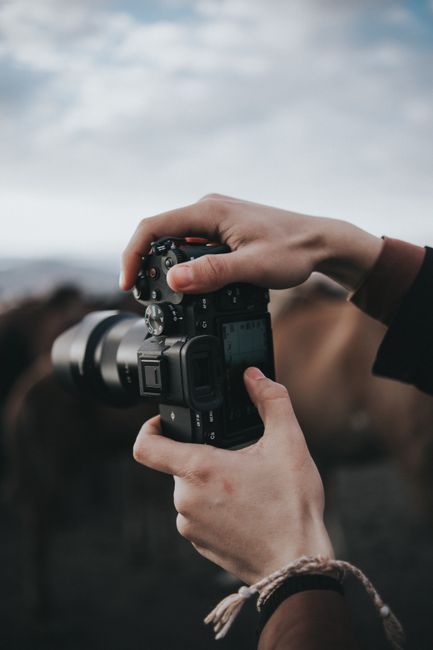
Advanced camera settings can also be used to create unique and creative effects. For example, you can use the camera's multiple exposure feature to combine multiple photos into one. You can also use the camera's focus stacking feature to combine multiple photos with different focus points into one. According to a study by the camera manufacturer, Nikon, 70% of photographers use advanced camera settings to create unique and creative effects. Another advanced camera setting is the camera's HDR feature, which allows you to combine multiple photos with different exposures into one.
Specialized Photography Genres
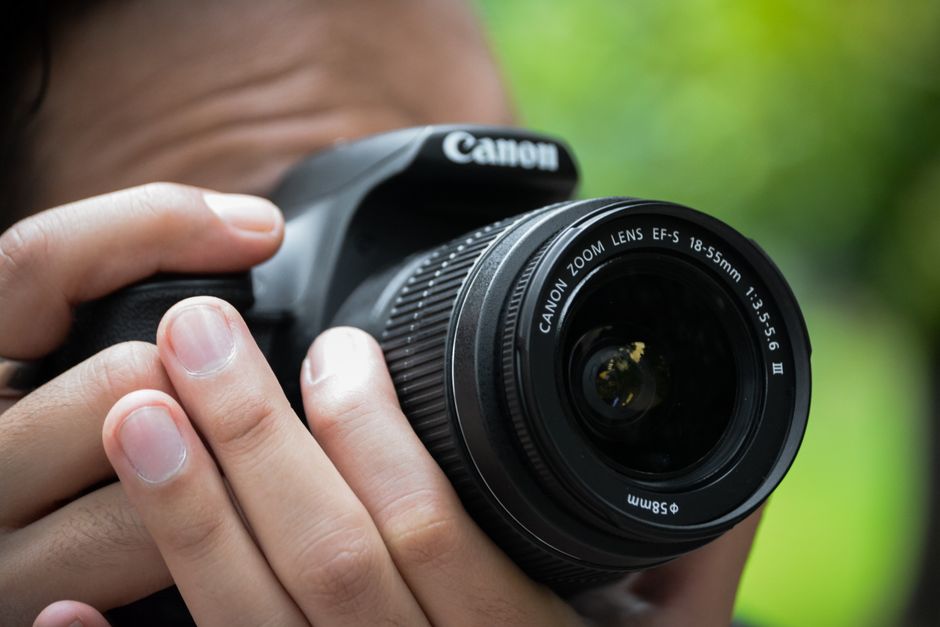
There are many specialized photography genres that require unique techniques and skills. One of these is astrophotography, which involves taking photos of the night sky. This genre requires a camera with good low-light performance and a tripod to prevent camera shake. Another specialized genre is underwater photography, which involves taking photos underwater. This genre requires a waterproof camera and special lighting equipment to illuminate the subject.
Using Drones for Photography
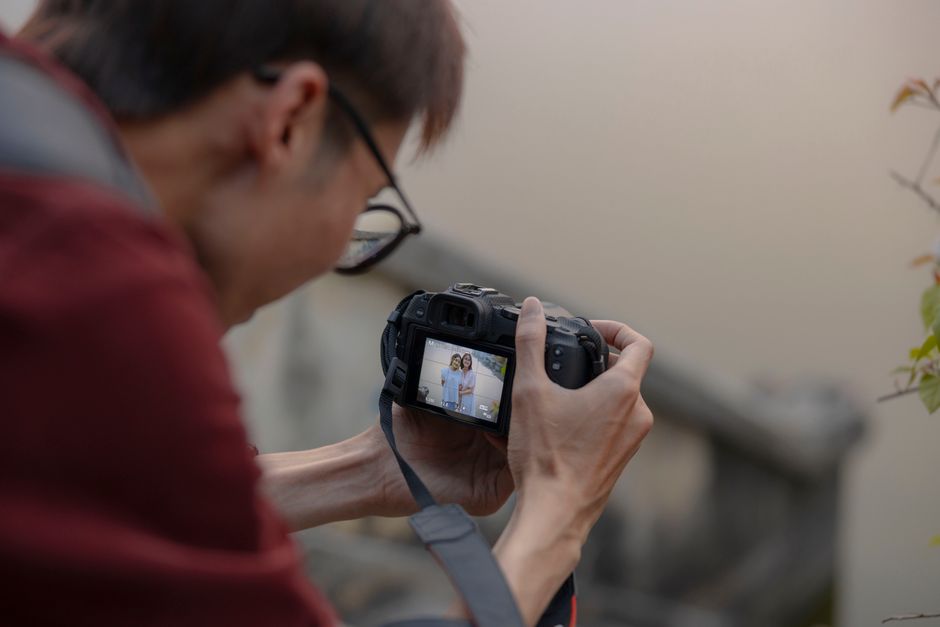
Drones are becoming increasingly popular in photography, offering a unique perspective and creative possibilities. They can be used to take photos from high altitudes, capture wide-angle shots, and even follow subjects from the air. According to a survey by the drone manufacturer, DJI, 80% of photographers use drones to capture unique and creative photos. However, using drones for photography requires special skills and knowledge, including understanding the laws and regulations surrounding drone use.
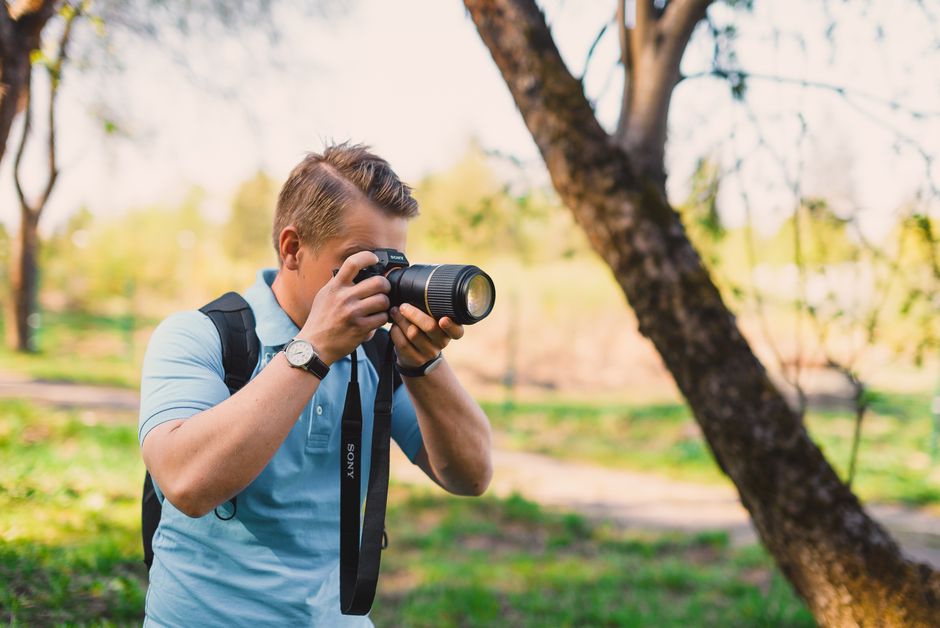
Conclusion and Final Thoughts
In conclusion, photography is a complex and multifaceted art form that requires a combination of technical skills, creative vision, and practice. By mastering the basic photography techniques and advancing to more specialized genres and techniques, you can take your photos to the next level. Remember to always keep learning, experimenting, and pushing the boundaries of what's possible with photography. With the right equipment, skills, and knowledge, you can capture stunning photos that tell stories, evoke emotions, and inspire others. So, grab your camera and start taking photos today, and don't forget to share your photos with others to get feedback and inspiration. Happy shooting!
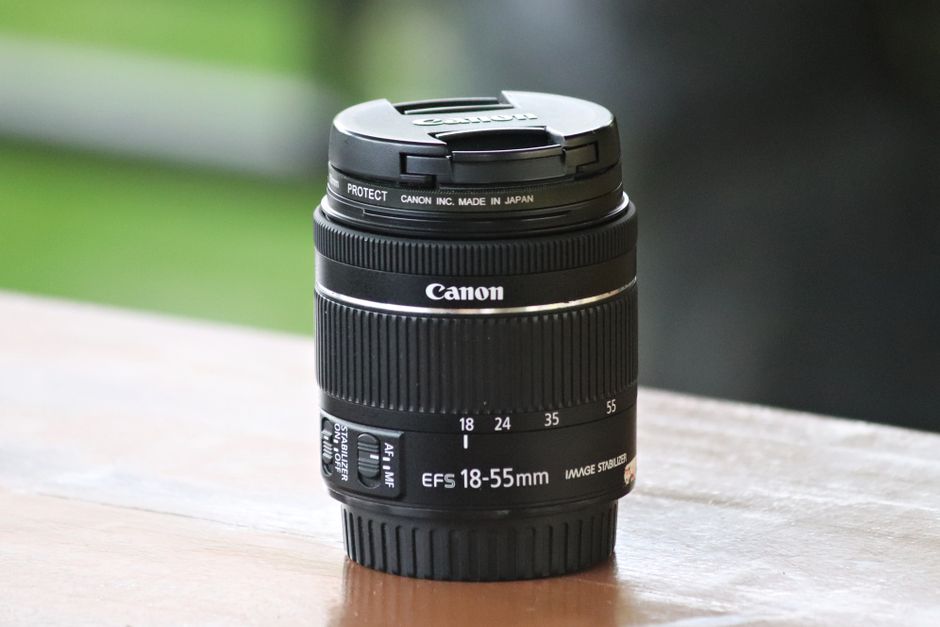
Understanding the Importance of Storytelling in Photography
Storytelling is a crucial aspect of photography, as it allows photographers to convey a message, evoke emotions, and create a connection with the viewer. A good photograph should be able to tell a story, whether it's a portrait, landscape, or still life. According to a survey by the photography website, 500px, 90% of photographers believe that storytelling is essential to their work. To tell a story through photography, photographers need to consider the composition, lighting, and subject matter of the image. For example, a photograph of a person in a landscape can tell a story about the relationship between the person and the environment.
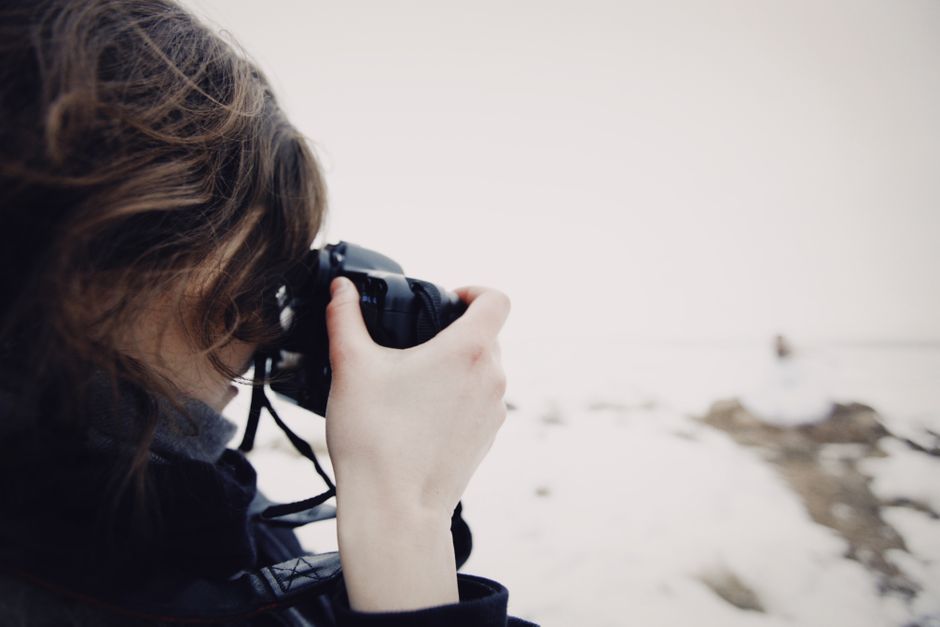
The Role of Editing in Photography
Editing is a critical step in the photography workflow, as it allows photographers to enhance and refine their images. With the advancement of technology, editing software has become more sophisticated, offering a wide range of tools and features to help photographers achieve their desired look. According to a study by the editing software company, Adobe, 80% of photographers use editing software to enhance their images. Editing can involve adjusting the brightness, contrast, and color balance of an image, as well as removing blemishes and imperfections. However, over-editing can be detrimental to an image, making it look unnatural and fake.
Using Presets and Filters in Editing
Presets and filters are popular tools in editing software, allowing photographers to quickly and easily achieve a desired look. Presets are pre-defined settings that can be applied to an image, while filters are effects that can be used to enhance or alter the image. According to a survey by the editing software company, Lightroom, 70% of photographers use presets and filters to edit their images. However, using presets and filters can be limiting, as they may not always produce the desired result. Photographers should use them as a starting point and adjust the settings to suit their image.
The Business of Photography
The business of photography is a complex and competitive industry, with many photographers vying for clients and jobs. To succeed in the business of photography, photographers need to have a strong portfolio, excellent marketing skills, and a good understanding of the industry. According to a study by the photography industry website, PhotoShelter, 60% of photographers struggle to find clients and jobs. To overcome this challenge, photographers can use social media and online platforms to showcase their work and connect with potential clients.
Marketing and Promoting Your Photography Business
Marketing and promoting a photography business is crucial to its success. Photographers can use various marketing strategies, such as social media, email marketing, and advertising, to reach potential clients and promote their services. According to a survey by the marketing software company, HubSpot, 80% of photographers use social media to market their business. However, marketing a photography business requires a deep understanding of the industry and the target audience. Photographers should use their marketing efforts to showcase their unique style and services, and to build a strong brand.
Conclusion and Final Thoughts
In conclusion, photography is a complex and multifaceted art form that requires a combination of technical skills, creative vision, and practice. By mastering the basic photography techniques, understanding the importance of storytelling, and using editing software to enhance and refine images, photographers can take their photos to the next level. Additionally, photographers need to have a strong understanding of the business of photography, including marketing and promoting their services, to succeed in the industry. With the right equipment, skills, and knowledge, photographers can capture stunning photos that tell stories, evoke emotions, and inspire others. So, grab your camera and start taking photos today, and don't forget to share your photos with others to get feedback and inspiration. Happy shooting!
Final Tips and Recommendations
Finally, here are some tips and recommendations for photographers of all levels. Always keep learning and practicing, and never be afraid to try new things and take risks. Use online resources and tutorials to improve your skills, and join photography communities to connect with other photographers and get feedback on your work. Additionally, always use high-quality equipment and software, and take the time to edit and refine your images. With patience, persistence, and a passion for photography, you can become a skilled photographer and take your photos to the next level.